Tree Pruning in Limehouse
If you are looking for tree pruning in Limehouse, you are probably dealing with one of two things: a tree that has outgrown its space, or a tree that needs careful attention to stay healthy, safe, and attractive. In a busy East London area like Limehouse, trees often sit close to homes, pavements, roads, gardens, balconies, commercial forecourts, and shared access routes. That means pruning is rarely just about appearance. It is about managing light, reducing risk, keeping access clear, and helping trees work better within a tightly built environment.
Whether you own a period terrace, a riverside apartment, a mews property, a small business premises, or a communal garden, a well-planned pruning visit can make a noticeable difference. Done properly, it can improve the shape of the canopy, remove problematic growth, support long-term tree health, and reduce the kind of overhang that causes daily frustration for residents, tenants, or customers.
Our approach to tree pruning Limehouse is built around practical local needs. We understand that access can be narrow, parking may be limited, and many trees in the area are in managed landscapes or near boundaries where care and precision matter. If you need a one-off crown reduction, ongoing maintenance, dead wood removal, or seasonal pruning for a tree that has become too dominant, the right service should feel straightforward, safe, and tailored to your property.
Why Tree Pruning Matters in Limehouse
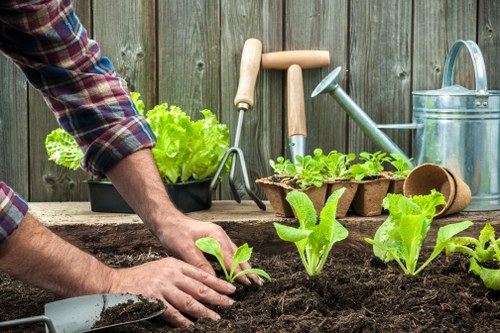
Pruning is one of the most important parts of tree care because it shapes how a tree grows, how it responds to wind, how much light it allows through, and how safely it sits within its surroundings. In Limehouse, trees are often exposed to very localised conditions: sheltered courtyards, wind corridors between buildings, busy roadside planting, and small gardens that leave little room for excessive growth. A tree can look fine from a distance while still needing attention to prevent future issues.
Many local customers contact us when branches begin to touch roofs, interfere with windows, hang too low over footpaths, or create too much shade for a garden or office space. In some cases, pruning is also needed after storms or periods of rapid growth, especially when a tree starts to become unbalanced. A careful trim can reduce weight in the canopy, remove crossing branches, and improve the overall structure without stripping the tree back too heavily.
Tree pruning in Limehouse is also a sensible way to protect nearby property. Branches too close to walls, gutters, façades, and overhead lines can create avoidable problems if left unmanaged. By acting early, you can often avoid more disruptive work later. That is especially useful for homeowners, landlords, and managing agents who want to keep routine maintenance under control rather than waiting for an urgent callout.
Common reasons customers request pruning
People usually book pruning for one or more of the following reasons:
- To remove dead, diseased, or damaged branches
- To reduce overhanging growth above gardens, driveways, or paths
- To improve shape, balance, and overall appearance
- To allow more daylight into rooms, courtyards, and shared spaces
- To reduce contact with roofs, gutters, fences, or neighbouring property
- To support safer access around entrances, loading areas, or walkways
- To maintain trees in line with a planned garden or landscape design
In a compact urban setting, these benefits are not abstract. They are practical improvements that affect everyday use of the property. That is why many people search for a local team that understands both arboricultural best practice and the realities of working in Limehouse streets, estates, and mixed-use developments.
What Tree Pruning Can Include
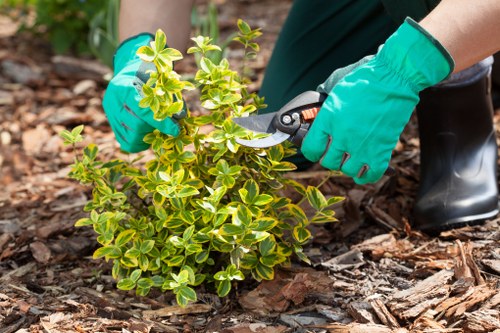
Tree pruning is not a single, fixed task. The right method depends on the species, the age and condition of the tree, the time of year, and what you want to achieve. A skilled team will assess the tree first and recommend the most suitable type of pruning rather than cutting simply for the sake of cutting. That balance matters because good pruning helps a tree recover and continue growing naturally, while poor pruning can cause stress or weak regrowth.
In many cases, the service may involve selective removal of branches to open the canopy and improve airflow. In others, it may involve reducing long limbs that have become too heavy or extended. For younger trees, formative pruning may be used to help establish a strong shape and encourage healthy structure early on. For older trees, maintenance pruning is often more about keeping the canopy safe and manageable.
Depending on your needs, the work may include:
Typical pruning tasks
- Deadwood removal
- Crown thinning
- Crown reduction
- Crown lifting
- Selective branch removal
- Formative pruning for younger trees
- Hazard reduction around buildings and access routes
- Light pruning to improve shape and manage growth
Important: not every tree benefits from the same approach. A heavy reduction may be suitable in one situation and harmful in another. That is why local knowledge and proper assessment are so important when arranging tree pruning in Limehouse. A thoughtful plan helps protect the health of the tree while still solving the issue that brought you to the service in the first place.
For residential clients, a major concern is often whether pruning will leave the garden looking bare or exposed. For commercial properties, the priority may be keeping entrances visible, maintaining a neat frontage, or ensuring trees do not interfere with signage and pedestrian movement. In both cases, a well-managed pruning job should make the tree look more controlled, not simply reduced without purpose.
Why Limehouse Properties Need a Local Approach
Limehouse has a character that makes local tree work unique. You will find a mix of older residential buildings, modern apartment developments, waterside properties, narrow access lanes, communal courtyards, and small business units. Trees in these settings often have less room to grow naturally, which means pruning needs to be carried out with accuracy and planning. A local team is more likely to understand these constraints and work efficiently within them.
Parking and access are real issues in the area. Some properties have limited front access, controlled parking, shared entrances, or restricted loading space. That affects how equipment is brought on site, where waste can be removed from, and how long the work may take. Choosing a team familiar with Limehouse can help reduce disruption because they are used to planning around tight spaces and busy surroundings.
Another local consideration is the relationship between trees and neighbouring properties. In dense parts of Limehouse, branches may extend across boundary lines or into shared outlook spaces. That can create tension if not handled respectfully. A professional pruning service should communicate clearly about what needs to be done, how the work will be completed, and how the tree and surrounding area will be protected during the process.
Local property types that often need pruning
- Terraced houses and small front gardens
- Riverside and canal-side developments
- Apartment blocks with communal planting
- Courtyard gardens and enclosed outdoor spaces
- Commercial forecourts and office entrances
- Schools, care settings, and managed estates
- Retail and hospitality premises with frontage trees
For many of these sites, tree pruning in Limehouse is not just maintenance; it is part of keeping a property usable and presentable. A tree that blocks light into a ground-floor flat, sheds heavily over a paved entrance, or reaches too close to a shared walkway can become a nuisance quickly. A planned visit helps deal with the issue in a controlled way rather than reacting once the problem has become severe.
How the Service Works

Most customers want to know what happens once they request tree pruning. A good service should be clear from the beginning and should not leave you guessing about how the job will be done. The process usually begins with an assessment of the tree, the site, and the outcome you want. That may be a tidy-up to maintain shape, a reduction to remove strain from a heavy limb, or a more detailed pruning plan for a mature tree with several issues.
Once the tree has been reviewed, the pruning method is chosen to suit the species, season, and structure. A responsible team will avoid over-pruning and will look at where the next growth points are, how the canopy will respond, and whether the cuts will help or hinder future development. If there are obvious safety concerns, these will be discussed before work begins so you know what is being addressed and why.
The site is then prepared, with care taken to protect nearby surfaces, plants, and access routes where needed. Branches are removed systematically, usually starting with dead, damaged, or problematic growth before moving on to shaping or reduction work. Once the pruning is complete, the area should be left tidy, with cut material cleared away unless otherwise agreed. For customers in Limehouse, that tidy finish is especially valuable where space is limited and shared access needs to remain usable.
What a professional visit typically aims to achieve
- Improve safety around the tree and surrounding area
- Maintain or improve the tree’s structure
- Manage height, spread, or overhanging growth
- Support healthy regrowth after the work
- Keep the property neat, practical, and accessible
If you are comparing options, ask whether the team will explain the proposed work before starting and whether they take the time to match the pruning method to the tree. That is often the difference between a quick cut-back and a proper tree care service. When you need tree pruning in Limehouse, it is worth choosing a team that respects both the tree and the setting.
Book your service now if your tree is starting to dominate the space or interfere with everyday use of your property. Acting early usually means simpler work and less disruption.
Benefits of Proper Pruning
Well-executed pruning provides both immediate and long-term benefits. The most obvious improvement is often appearance: a tree can look balanced, lighter, and better proportioned after a careful service. But the practical effects go further. Pruning can reduce the likelihood of branches rubbing, splitting, or growing in the wrong direction. It can also help the canopy shed wind more effectively, which is useful in exposed or high-traffic parts of Limehouse.
For gardens and outdoor spaces, one of the biggest benefits is more light. In a densely built area, even a moderate reduction in canopy density can make a patio, lawn, or balcony feel much brighter and more usable. That extra daylight can also improve the atmosphere inside nearby rooms. For commercial properties, keeping an entrance or frontage visually open can help the building feel more welcoming and easier to navigate.
There is also the health aspect. Removing dead or diseased branches can help limit the spread of problems and make it easier to monitor the tree’s condition in future. Formative pruning in younger trees can prevent weak branching patterns from becoming expensive problems later. In other words, pruning is often as much about prevention as it is about correction.
Benefits you may notice after pruning
- More natural light in nearby rooms or outdoor areas
- Better shape and balanced growth
- Reduced overhang across boundaries
- Improved access around paths, drives, and entrances
- Less risk from dead or weakened branches
- Cleaner appearance for homes and businesses
- More manageable maintenance going forward
Tree pruning Limehouse is particularly valuable where the tree sits close to a boundary, public route, or shared amenity space. Small improvements in canopy structure can have a big impact on how the whole property feels and functions.
Preparation Checklist for Customers
To help the visit go smoothly, it is useful to prepare the site in advance. You do not need to do everything yourself, but a little planning can save time and help the work progress safely.
- Move vehicles if access to the tree or waste removal route may be needed
- Clear fragile items, garden furniture, or decorations from the working area
- Make sure gates, communal entrances, or access points can be opened
- Inform neighbours or building management if shared access may be affected
- Keep children and pets away from the work area during the visit
- Point out any known issues with underground services, lighting, or nearby structures
If the tree is in a difficult location, such as a tight courtyard or a frontage with limited parking, mention that when requesting a quote. It helps the team plan the right equipment and allow enough time. This is one of the reasons a local service can be so valuable: the work is not just about the tree itself, but about how the tree sits within your particular Limehouse property.
Pricing Factors for Tree Pruning
People often want a clear price straight away, but tree pruning costs can vary depending on several site-specific factors. A proper quotation usually takes into account the size and condition of the tree, the type of pruning required, how easy it is to access the site, and whether waste removal or additional care is needed. A smaller tree in an open garden is likely to take less time than a mature tree in a confined urban courtyard.
Factors that can influence the cost include:
- Tree height, spread, and maturity
- The amount of growth that needs to be removed
- Species-specific pruning needs
- Access restrictions and parking limitations
- Whether the tree is close to buildings, fences, or public areas
- Waste volume and clearance requirements
- Whether work needs to be coordinated with occupants or managers
For that reason, a site visit or detailed description is often the best way to get an accurate quotation. If you are comparing options for tree pruning in Limehouse, it helps to ask what is included in the service, how the job will be carried out, and whether the quoted work addresses the actual issue rather than applying a one-size-fits-all cut.
Why Choose a Local Company for Limehouse Tree Pruning
Choosing a local company is about more than proximity. It is about working with a team that understands the layout, density, and practical realities of the area. Limehouse has a mix of heritage streets, modern developments, and waterside properties, all of which create different pruning challenges. A local team is more likely to know how to work safely around restricted access, high footfall, and shared spaces without creating avoidable disruption.
Local knowledge also helps with timing and coordination. If parking is difficult, if your property has timed access, or if the tree sits in a communal area, a nearby team can usually plan efficiently and respond in a practical way. That often makes the whole process smoother for the customer and easier for neighbours, tenants, or building managers as well.
Tree pruning in Limehouse should feel tailored, not rushed. A local service is often better placed to provide that because it understands how different trees behave in built-up conditions and how customers in the area tend to use their outdoor spaces. Whether you need one tree maintained or several across a managed site, the same principle applies: the work should fit the location.
What local customers often value most
- Quick understanding of access and parking constraints
- Practical advice suited to the property type
- Careful work around neighbours and shared areas
- Efficient clearing and tidy completion
- Flexible service for homes, landlords, and businesses
Areas Covered Around Limehouse
Customers in and around Limehouse often need pruning services across nearby residential streets, riverside developments, and commercial locations. The exact route of service will depend on the property and the work required, but many customers also come from surrounding parts of East London where similar access and space considerations apply.
Areas commonly associated with this type of service include nearby parts of:
- Wapping
- Shadwell
- Canary Wharf
- Poplar
- Stepney
- Whitechapel
- Isle of Dogs
- Bermondsey and adjacent riverfront locations
If you are not sure whether your property falls within the usual service area, it is still worth making an enquiry. Tree care needs can vary, but the practical issues around access, structure, and safe pruning are often similar across neighbouring districts.
Frequently Asked Questions
How often should trees be pruned?
It depends on the species, age, and location of the tree. Some trees only need periodic attention, while others benefit from more regular maintenance because they grow quickly or sit close to buildings and footpaths. A local assessment is the best way to decide how often pruning should be carried out.
Will pruning harm my tree?
When done correctly, pruning should support the tree rather than harm it. The key is using the right method and removing only what is necessary. Over-pruning or poor cutting can stress a tree, which is why it is important to choose a service that understands tree structure and growth patterns.
Can pruning help with light in my garden or flat?
Yes. A well-planned reduction or thinning can make a noticeable difference to daylight, especially where a tree is close to windows, balconies, or a small enclosed garden. This is one of the most common reasons customers ask for tree pruning in Limehouse.
What if the tree is close to my neighbour’s boundary?
That is very common in Limehouse. The work can often be planned to manage overhanging branches carefully and respectfully. It is best to explain the situation clearly so the pruning method can be matched to the boundary and surrounding structures.
Do you work on commercial properties as well as homes?
Yes, pruning is often needed for shops, offices, managed buildings, hospitality premises, and communal landscapes. Commercial customers usually want the site to remain tidy and accessible, so planning and careful execution are especially important.
What should I ask before booking?
You may want to ask what type of pruning is recommended, what the work is trying to achieve, whether the tree’s health is being protected, how access will be handled, and what will happen with the waste. These questions help you choose the right service with confidence.
When to Request a Quote
If a tree is already affecting light, access, safety, or the appearance of your property, it is sensible to request a quote sooner rather than later. In a busy area like Limehouse, small issues can become more complicated when trees grow unchecked. A prompt pruning visit may prevent the need for more extensive work later and make day-to-day use of the property much easier.
It is also worth enquiring before seasonal growth becomes a problem. Many customers arrange pruning when they notice new shoots becoming unmanageable, branches reaching over roofs, or the canopy starting to look heavy and uneven. For landlords, facilities teams, and property managers, early planning can help keep maintenance predictable and reduce complaints from residents or neighbouring occupiers.
Contact us today to discuss your tree and arrange a suitable next step. Whether you need a simple tidy-up or more considered pruning for a mature tree, a local, practical approach can make all the difference.
Final Thoughts on Tree Pruning in Limehouse
Tree pruning is one of those services that can improve a property in several ways at once: safer surroundings, better light, cleaner lines, healthier trees, and a more manageable outdoor space. In Limehouse, where trees often have to share space with buildings, boundaries, walkways, and communal areas, pruning is especially valuable because it helps trees fit their environment rather than compete with it.
If you want the work done properly, choose a team that understands the area, listens to your concerns, and recommends pruning based on the tree’s needs as well as your property goals. Whether you are a homeowner, landlord, business owner, or managing agent, the right service should be straightforward to arrange and tailored to the setting.
Request a free quote or book your service now if your tree is ready for attention. A well-planned pruning visit can help you protect your property, improve the look of your space, and keep your trees in better condition for the future.